
Beyond the Ban: How We Support Young People in an Algorithm-Driven World
Written by Youth Worker, Maisie
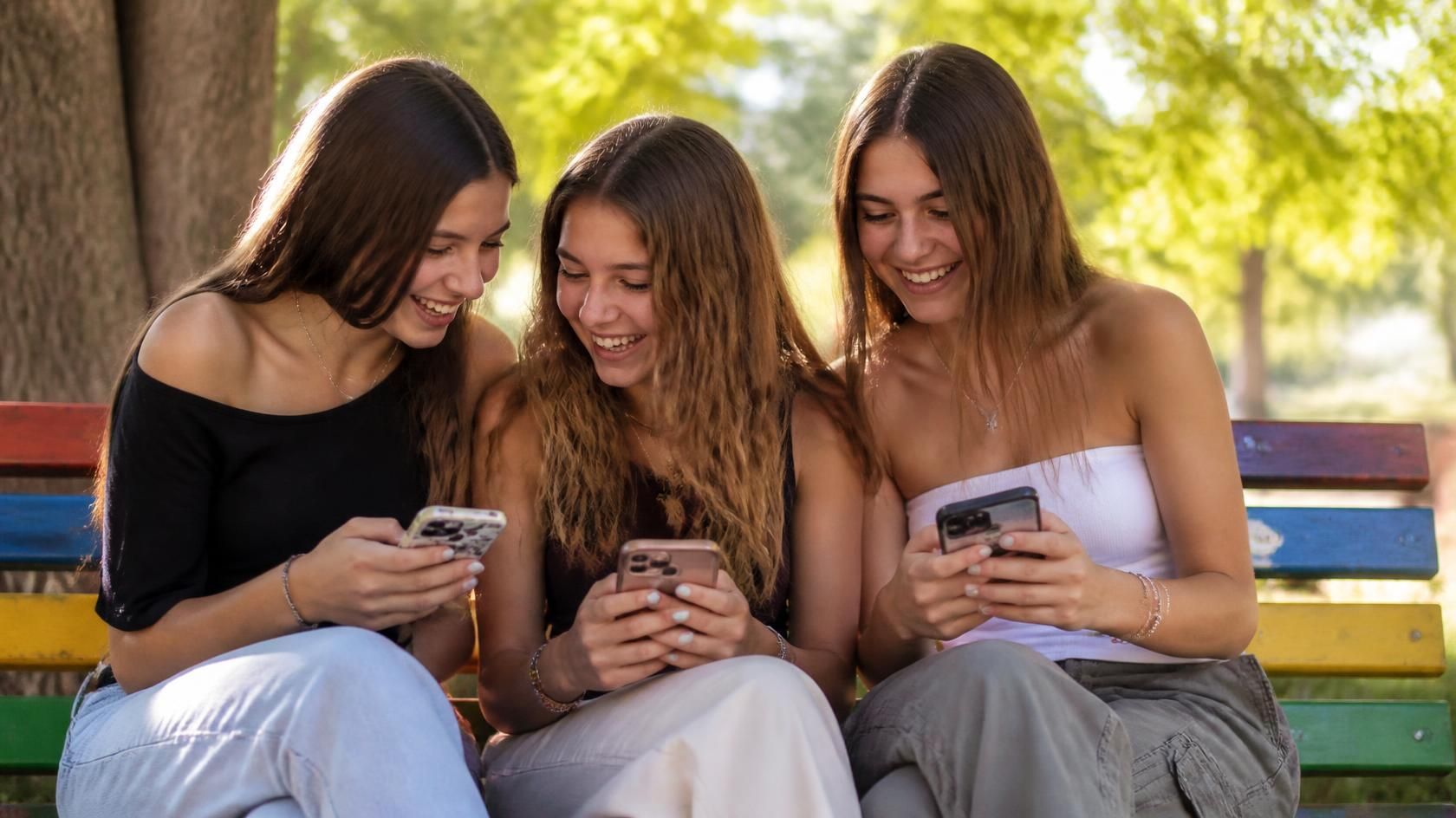
Since working at an all-girls school, which I also attended as a teenager, I have been able to see first-hand the difference in the priorities and interests of young people today. When I was at school my main concerns were when I would next be seeing my friends and what we were going to do at the weekend.
Nowadays the girls tell me that going to the park after school or trips into town on a Saturday are not so much a thing. Instead, they tell me about their 5-step beauty routine, talk about clothes and products from brands I have only just started buying from- brands I could have only dreamed of shopping from when I was their age. They show me their carefully curated Pinterest boards, which are similar to mine as a 23-year-old.
They take their image much more seriously than I ever did when I was their age.
Social media has become a huge part of young people’s lives, becoming their main source of entertainment, news and influence, and is therefore starting to shape what young people think is normal, desirable, important and true.
With countries such as Australia becoming the first to ban social media for under 16s and UK the soon to follow in its footsteps, such developments suggest a growing concern about the effects of social media on young people.
The comparison trap
The influencer culture we see today is often centred around consumerism, perfectionism and lavish lifestyles.
Influencers make themselves relatable to the young people who look up to them through interests such as beauty, gaming or fitness. But behind this is an algorithm that is designed to keep you watching, with advertisements that convince us that buying the product will allow us to have a life like the influencer you see on your screen.
Seeing such videos regularly can create an unrealistic view of what ‘normal’ looks like, with young people constantly being shown the next best thing and ‘perfect’ lives, bodies and outfits.
This exposure can lead young people to feel unsatisfied with who they are, increasing the risk of low confidence and self-esteem, by trying to become someone they are not.
Algorithms and the way we see the world
Young people are increasingly getting their news through social media. However, such platforms are not designed to provide information that is balanced and accurate but instead are designed for engagement. Platforms set their own rules and develop algorithms to decide what voices are heard and so posts that are likely to provoke a reaction such as anger are pushed, as they have the potential to become more visible.
Research into social media algorithms shows that political content can be disproportionately promoted, raising questions around a user’s agency in choosing how they want to be informed. One study found that 50% of its respondents reported feeling disappointment, fear, anger or sadness when encountering such political content online.
Of course, it is important for young people to listen to opposing political views, as this encourages critical thinking, however, there is a difference between seeking this out and being fed certain content for engagement. Moreover, ‘doomscrolling’ through issues such as conflict and economic hardship needs to be done in moderation, as constant exposure can lead to feelings of anxiety or existential dread.
When content focuses heavily on one end of the political spectrum, it creates unbalanced information sharing and risks young people being misinformed. Having knowledge about the world around us is important, but constantly consuming distressing news can normalise extreme views, influence young people’s perception of the world and impact their wellbeing.
What does this mean for young people’s mental health?
The 2026 edition of the World Happiness Report, published by Oxford University, found that 15-year-old girls who use social media for more than four hours a day are among the unhappiest groups of people. In comparison, the researchers also found that young people who use social media for less than an hour a day report the highest levels of wellbeing.
Other studies have found associations between heavy use of social media and increased risk of people feeling anxious, depressed or lonely.
Overconsumption of influencer culture, advertisements and shocking news leads to comparison, overstimulation and validation becoming the centre of young people’s lives and can train developing brains to see worth through online approval.
Lessons from social media
Despite these negatives, there are also many positives to using social media in moderation. Social media can be used as an educational tool, allowing young people to learn about world events and cultures they may have otherwise never encountered.
It can also be a place for creativity and self-expression. For young people who feel isolated in their offline lives, social media can provide opportunities to connect with communities and people who understand them, allowing them to feel accepted and seen.
The answer therefore isn’t simply to tell young people to get off social media.
As parents, educators and youth workers we can support young people in reaping the benefits of social media, without paying for the costs. This starts with curiosity, not criticism, building trust and creating opportunities to have honest conversations about how they are using the online world.
Work together to create and model healthy routines such as phone free times or encouraging offline activities. Be aware of changes in a young person’s wellbeing and ask if their online use is playing a part in what they are feeling.
Finally, encourage young people to get news from a range of sources such as news articles and podcasts, instead of being fed information by an algorithm. This gives young people the opportunity to really investigate what they are reading, critically assess different ideas and develop their own opinions of what is right and wrong.
Social media is a part of growing up, we can’t stop it and shouldn’t ignore the positive opportunities it brings. However, adolescence is a crucial time in development, and so it is paramount that we encourage young people to take up healthy habits around social media use and ask themselves is what I am seeing representative of the real world, or simply what the algorithm wants them me to see?