Do young people really have it easier than we did?
A blog from our CEO. Karen Jefford
Do young people really have it easier than we did?
I recently asked this question to a room full of adults, expecting a quick show of hands and a few knowing smiles. What followed instead was at times, an uncomfortable conversation.
Some felt today’s young people have it easier more opportunities, more awareness, more choice. Others spoke openly about the realities they see playing out at home: anxiety, withdrawal, sleep disruption, emotional dysregulation. Different answers, same concern.
What we do know, with far more certainty than we did even a decade ago, is that childhood itself has changed.
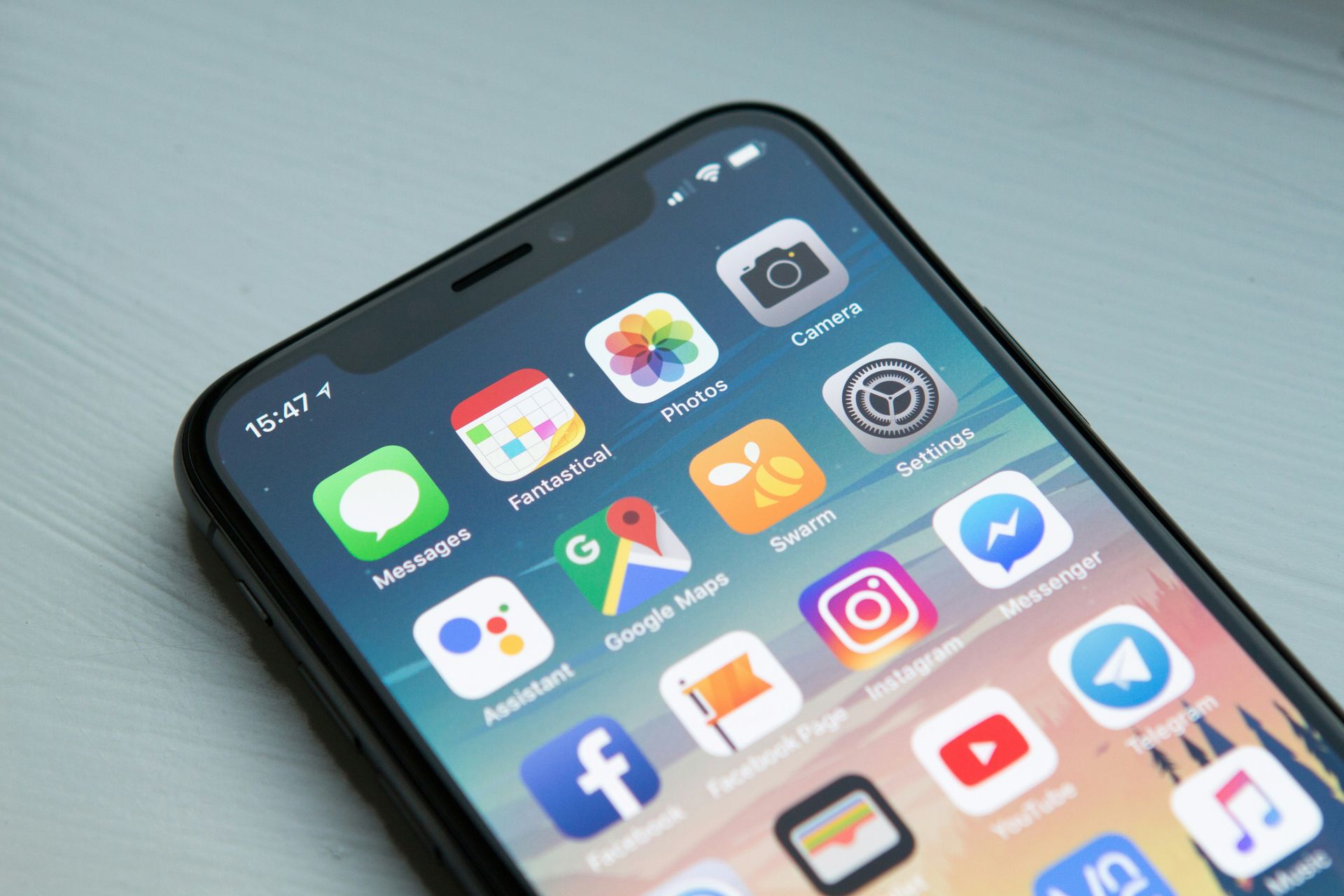
Social media isn’t just a tool; it’s increasingly understood as a behavioural addiction, deliberately designed to capture attention, shape habits, and keep users coming back, and this isn’t just about teenagers. Through conversation with National Youth Agency and Bex Pink who are doing great work, they shared a recent announcement from Ofcom showing that 19% of 3–5-year-olds already have access to a smartphone. Let that land for a moment.
Young people today are exposed, often unfiltered to global conflict, political division, unrealistic body standards, performative lifestyles, and constant comparison. Many are emotionally processing things they don’t yet have the cognitive or relational tools to make sense of.
That’s not to say social media is all bad. Far from it.
The upsides
- Connection for young people who feel isolated
- Access to communities, learning, creativity, and self-expression
- A platform for voices that might otherwise go unheard
The downsides
- Sleep deprivation and constant stimulation
- Heightened anxiety, low self-esteem, and comparison culture
- Reduced face-to-face social skills and resilience
- Exposure to adult content, adult problems, and adult pressure far too soon
Which brings us to the bigger question.
Should we follow the lead of Australia, where serious policy discussions are underway about restricting children’s access to social media and if we do, what are the knock-on effects?
Does restriction protect wellbeing or drive behaviour underground?
Do bans empower parents, or remove opportunities for digital literacy?
What responsibility sits with tech companies versus families, schools, and policymakers?
I notice this generational shift even in my own family. My adult children often say, “Mum, you never answer your phone.” and sometimes, that’s true. I’ve made a conscious choice not to be permanently switched on. For me, the phone is a tool, there when I need it not something that dictates my attention every minute of the day. For my children, constant availability feels normal; for me, it’s a boundary I've chosen to set. That difference alone says a great deal about how expectations have changed, from being reachable occasionally to being expected to be available at all times.
I don’t believe this is about nostalgia for “how it used to be.” It’s about acknowledging that we are raising children in a different landscape and asking whether our systems, boundaries, and safeguards have kept pace.
As someone working in the youth space, I’m genuinely open to hearing different perspectives. We already know that many young people are questioning what is real, what can be trusted, and where they belong, and I believe we all have a role in shaping the environments around them. This isn’t about having all the answers, but about being willing to listen, reflect, and adapt together.
So I’ll leave you with the same question I asked in that room: Are we comfortable with the childhood we’re designing and if not, what are we prepared to do differently?